Urban fox behaviour explained: why UK foxes den under sheds and how to respond
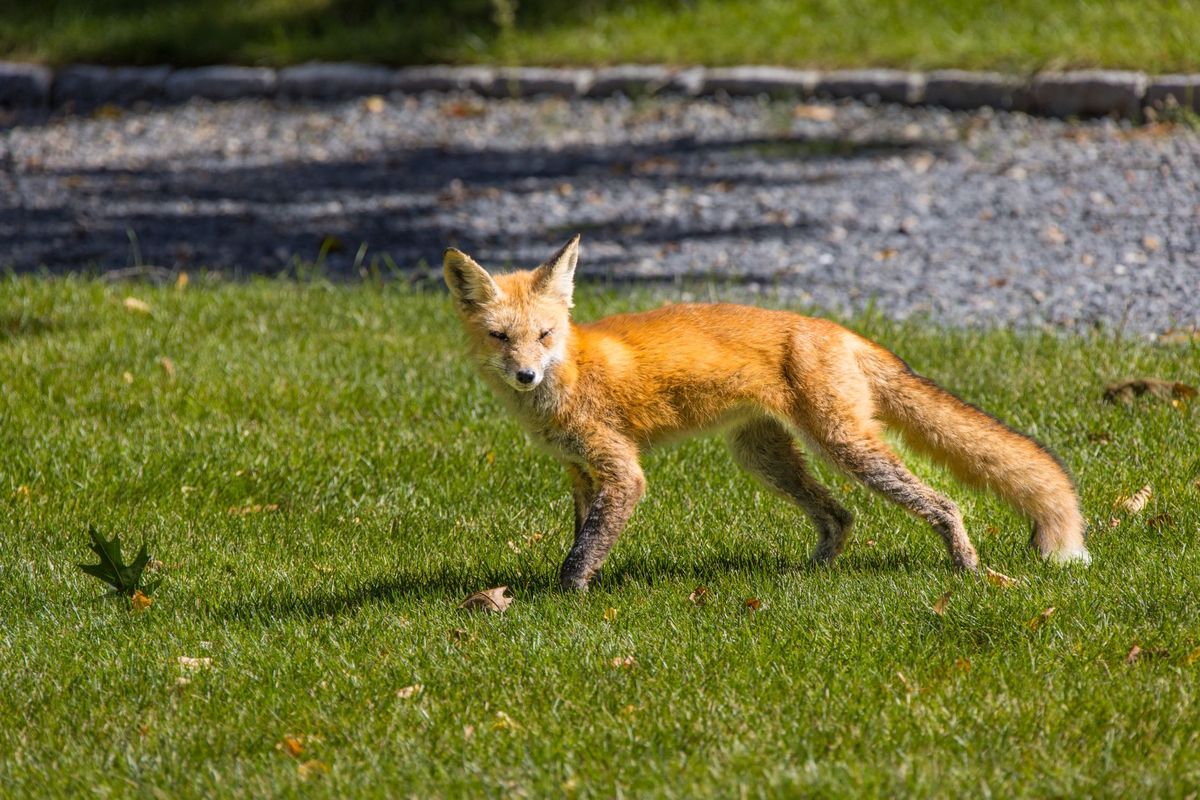
One morning in late winter or early spring, a lot of UK gardeners notice the same thing: a well-worn gap at the corner of the shed, a scatter of feathers on the lawn, and a smell that's hard to place but definitely animal. A fox is the likely answer. Urban foxes are adaptable, and a shed, decking or garage corner gives them exactly what they want — dry, dark, quiet cover with a hidden entrance.
Rural foxes dig earths. Urban foxes often don't need to, and den above ground in whatever provides shelter: under sheds, decking, garages and outbuildings, in log piles, or deep inside a conifer hedge. The appeal is simple. A space beneath a shed is dry, out of the wind, dark all day and low on human traffic. A gap about the width of your hand is plenty.
It also helps to know that urban foxes live in family groups and hold territories covering several gardens. A plot with a compost heap, a spilling bird feeder and a bin that doesn't quite shut will be visited long before any fox chooses to den there. Denning is a commitment; regular visits are just routine.
The fox year runs on a fairly predictable rhythm. Late December through February is the breeding season, which is when you hear the screams — a vixen calling, a dog fox answering, animals chasing along fence lines at two in the morning. It sounds far worse than it is.
Cubs are usually born from late March into April, after a pregnancy of roughly seven weeks. They stay underground at first, and the vixen rarely leaves them for long. By four or five weeks old they appear at the entrance; soon after, they're tumbling about in the open, and that's often the moment a household realises it has been sharing a garden with a family for a month.
Through late spring and summer the group moves between dens, especially if disturbed. A vixen who feels threatened will carry her cubs one at a time to a new site — sometimes next door. By autumn the cubs are increasingly independent, and most disperse over winter. Dens are also used outside the breeding season for shelter in heavy rain and cold snaps, so a fox in residence in November may have nothing to do with cubs at all.
One sign on its own means little. Several together, in late winter or spring, usually mean cubs are on the way — or already there.
Sealing the entrance is the instinctive move, and it's the one most likely to cause a serious problem. Block a gap while an adult or cubs are inside and you trap them. That's distressing for the animals, and it's a welfare offence: causing unnecessary suffering to a wild mammal is against the law in the UK, and most poisons and many traps are restricted or banned. Rules differ between England, Scotland, Wales and Northern Ireland, so anything beyond sensible garden management deserves proper advice — your council's environmental health team or a qualified pest controller can tell you what's allowed locally.
There's a practical point too. A disturbed vixen will usually move her cubs, but she may simply take them under a neighbour's decking, and you'll be back where you started. Timing matters more than force.
Remove what the garden offers, then make the site unattractive once you're certain it's empty.
Then deal with the den itself:
Lights, radios, water sprayers and scent products can help briefly, but foxes grow used to anything predictable, and ultrasonic devices have little reliable effect outdoors. Use them alongside cutting off food and access, not instead of it.
A fox under the shed is usually a temporary situation, not a permanent one. In winter and early spring, assume cubs may be involved and leave the den alone until the family moves on, typically by late summer. Keep dogs away from the entrance, don't corner or handle cubs, and if you find one that's clearly injured or orphaned, contact a wildlife rescue for advice rather than intervening yourself.
Once the site is empty, block it properly and remove the food that made your garden attractive in the first place. Mention it to neighbours, too — foxes range across several gardens, and a gap three doors down will undo your good work. Handled this way, foxes and households rub along well enough: they take rodents and slugs, they're good to watch from a distance, and they move on as the cubs grow up.
Photo: Mohan Nannapaneni / Pexels
Previous Post
How to create a fox-friendly garden without encouraging nuisance behaviour: a UK guide
Next Post
Fox signs checklist: 12 field clues to identify a garden visitor