How to create a fox-friendly garden without encouraging nuisance behaviour: a UK guide
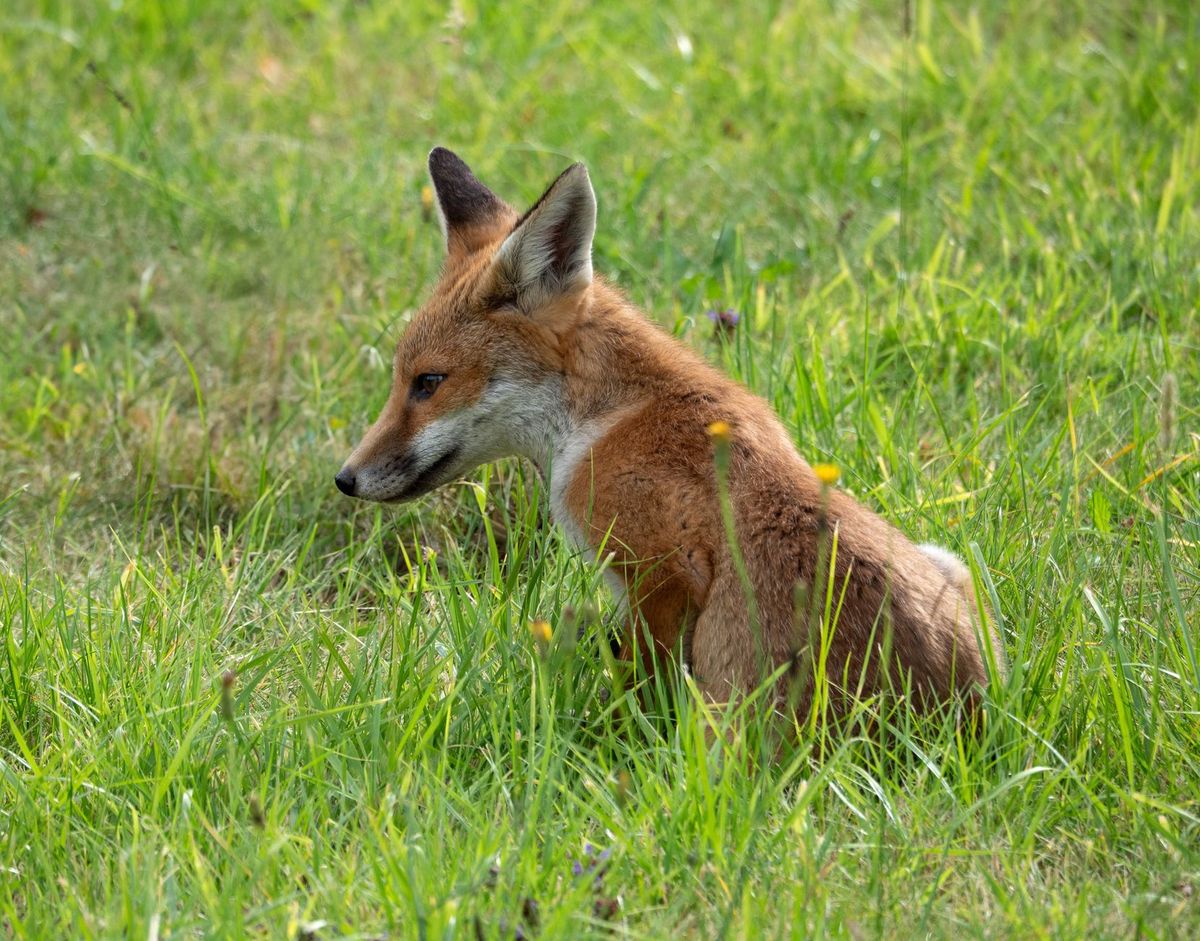
Few garden visitors divide opinion like the fox. One neighbour treasures the vixen that sunbathes on the shed roof; the next is furious about torn bin bags and mess on the lawn. Both reactions make sense. Foxes are adaptable, intelligent and quick to learn where an easy meal lives, which is exactly why a little planning pays off. You can make a garden that offers genuine value to foxes, shelter, water and natural foraging, without turning your patio into a canteen or teaching a cub that people mean food.
Foxes are not fussy. In towns and suburbs they will eat earthworms, beetles, slugs, berries, windfall fruit and whatever else is going spare, and they will sleep almost anywhere dry and undisturbed. They do not hibernate, and a single fox may work a route through several gardens in one night. So the practical question is not "how do I attract foxes?" but "what am I offering, and what habits am I rewarding?"
Get that balance right and you can enjoy watching a wild animal go about its business without the 2am clatter of a wheelie bin lid.
A fox needs a quiet corner to sleep through the day and, in spring, a dry den for cubs. If you already have a dense hedge, a stack of logs or a shed with a gap beneath it, you may be providing both without realising it.
Aim for shelter that is far from the house and from any boundary your neighbours care about. A simple brush pile of pruned branches in a back corner, or a patch of long grass left unmown over winter, is enough. Both rot down into excellent habitat for insects, which in turn feed the birds and hedgehogs that share the space.
Avoid blocking an earth under a shed or decking during the breeding season. It rarely persuades a fox to leave, and it can separate a vixen from her cubs.
If you treat timber, choose water-based preservative products rather than old-fashioned creosote-type treatments, which are harmful to wildlife. Untreated or reclaimed wood is the safer option around any shelter you are deliberately leaving in place.
A shallow dish at ground level, refilled regularly, helps far more than most people expect. Foxes drink, particularly in hot weather and during frosty spells when natural sources freeze. Keep the dish stable and clean, and site it away from a wall the fox must climb, so it does not have to cross a patio to reach it. A wildlife pond works too, provided it has gently sloping sides or a ramp so that anything which falls in can climb back out. Deep, steep-sided containers are a trap, not a feature.
The most fox-friendly garden is one that feeds foxes indirectly. Grow plants that support the beetles, worms and slugs they hunt, and leave a little disorder at the edges.
What you should not do is leave bread, cooked leftovers or dog food out "for the fox". Fed foxes lose their caution quickly, start appearing at windows and doors, and become the animal that frightens a neighbour's cat or digs up a lawn. If you want to feed something, feed the soil and the insects.
Most fox complaints trace back to one thing: easy food. Foxes raid bins because the reward is reliable, not because they prefer plastic. Remove the reward and the behaviour fades. Work through this checklist:
A fox seen at dusk is normal. A fox that strolls across the lawn at midday, stares through the glass or approaches people is usually a fox that has been fed, deliberately or accidentally. That is the behaviour worth interrupting, gently and consistently.
Never use poison, snares or home-made deterrents. They cause suffering, can harm pets and other wildlife, and are likely to leave you on the wrong side of the law. If a fox is causing serious problems, your local council or a wildlife organisation can advise on lawful, humane options.
A fox-friendly garden is not a free-for-all. It is a garden with water, cover and natural food, plus secure bins and no handouts. That combination tends to produce the outcome most people actually want: foxes that pass through, do a little worming on the lawn and move on, rather than animals that treat your patio as a feeding station.
Foxes are wild animals, and no garden design comes with guarantees. Dens get abandoned, cubs wander and a new fox may appear next spring. But if you keep food out of reach and keep shelter in the right place, you have done the useful part. The rest is patience, and a willingness to enjoy a glimpse of a wild neighbour without making a pet of it.
Photo: Brett Jordan / Pexels