Hedgerow habitat checklist: managing a UK hedgerow for wildlife year-round
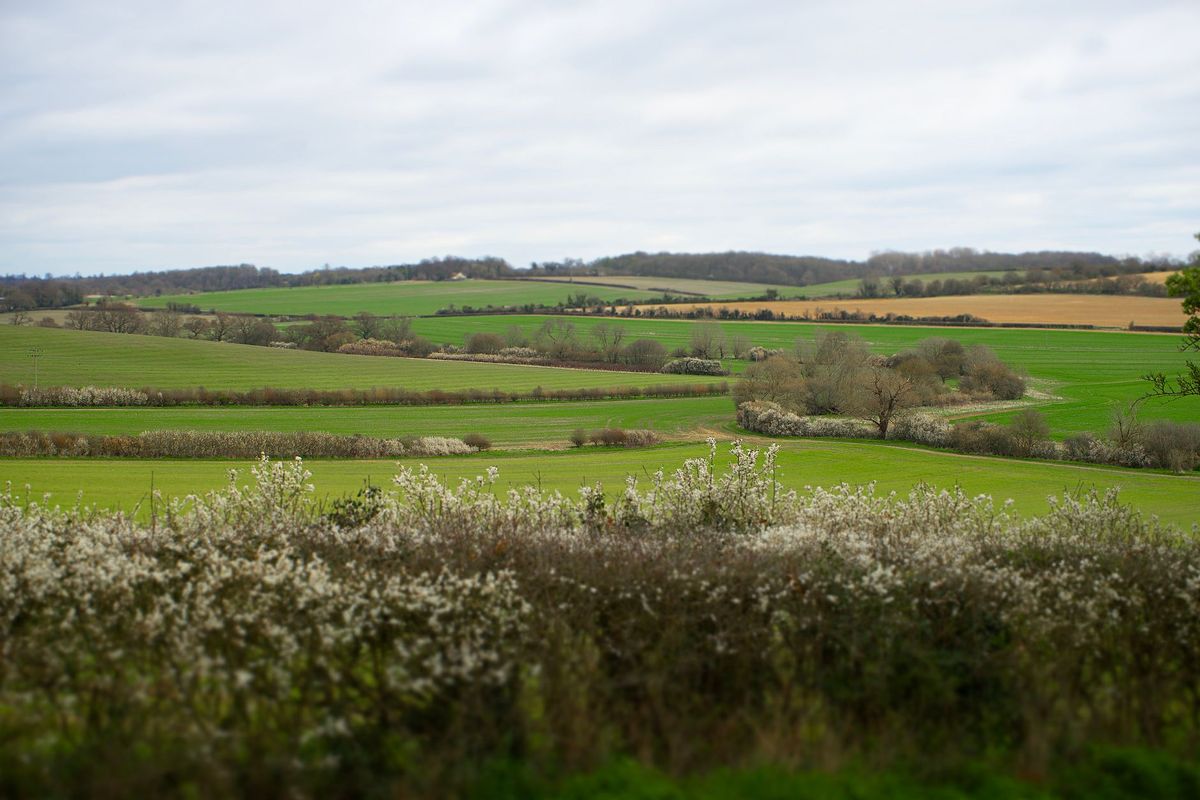
A hedge is not a fence with leaves on it. Flail it flat every September and you get a tidy green wall that offers very little: no blossom for bees in May, no haws for redwings in January, no dense base for a hedgehog to shuffle along. Manage the same stretch of hawthorn, hazel and blackthorn with wildlife in mind and it will hold a surprising amount of life — usually for less work, not more. What follows is a practical checklist, season by season, for a hedge of any length, from a garden boundary to a field edge you walk twice a year.
Most hedgerow wildlife needs shape more than it needs an unusual plant list. The valuable part of any hedge is the base: stems that branch near ground level, with leaf litter, tussocky grass and the odd bramble around them. Above that you want a slightly domed, uneven top that lets light down to the bottom. A flail that shaves the sides vertically and clips the top flat every year does the opposite, hollowing out the base and leaving bare earth underneath.
Signs of a hedge in good nick:
Between roughly March and August a hedgerow is working at full tilt: nesting birds, emerging invertebrates, the first flush of leaf. It is also the period when you should not cut. All wild birds, their nests and their eggs are protected while the nest is in use, and many agri-environment agreements rule out hedge cutting between 1 March and 31 August. Even without an agreement, put the flail away.
What to do instead:
August into early September is the best time to assess what you have. Look for caterpillar damage on leaves, aphid colonies on new growth, droppings along the hedge base and the tell-tale runs of small mammals through the grass. Photograph the hedge from the same spot each year; it is the easiest way to see whether the base is thickening or thinning.
This is also when the temptation to tidy up is strongest, and when tidying does the most harm. Brown hairstreak butterflies, for example, lay their eggs on young blackthorn stems, where they overwinter on the twigs; cutting every bit of blackthorn in a single year removes them. Managing on a rotation, so some stems are always one to three years old, gets around the problem without any special effort.
Leave the berries alone. Hawthorn, blackthorn, holly, ivy and rose hips are the winter larder for redwings, fieldfares, blackbirds, thrushes and small mammals, and they are at their most useful in the lean weeks after Christmas. Cutting in October strips that food away just as the birds need it.
Autumn is for arranging things rather than doing them. Decide which third of the hedge you will cut this winter, order bare-root whips from a British nursery that sells native stock with known provenance, and book a contractor or a hedge-laying course early, because both fill up quickly. If the hedge is ancient or marks a field boundary, check whether the Hedgerow Regulations apply before you plan any removal, and if your land is in an agri-environment scheme, confirm the current cutting dates in your agreement first.
Once the fruit has largely gone and the hardest weather has passed, usually from January into late February, the cutting window opens. Cut no more than a third of the hedge in any one year and leave the rest to flower and fruit, so there is always food and cover somewhere along the line.
If a hedge has gone leggy, with long stems and a hollow, gappy base, another year of flailing will not fix it. Laying does: the stems are part-cut near the ground, bent over at an angle and woven together so the hedge regrows thick from the bottom up. Traditionally this is done between late autumn and early March, while the sap is down and before nesting begins. It is skilled work,
Photo: Mike Bird / Pexels
Previous Post
How to build a small wildlife pond for foxes, bees and amphibians
Next Post
Citizen science for UK wildlife: how to record fox and bee sightings responsibly